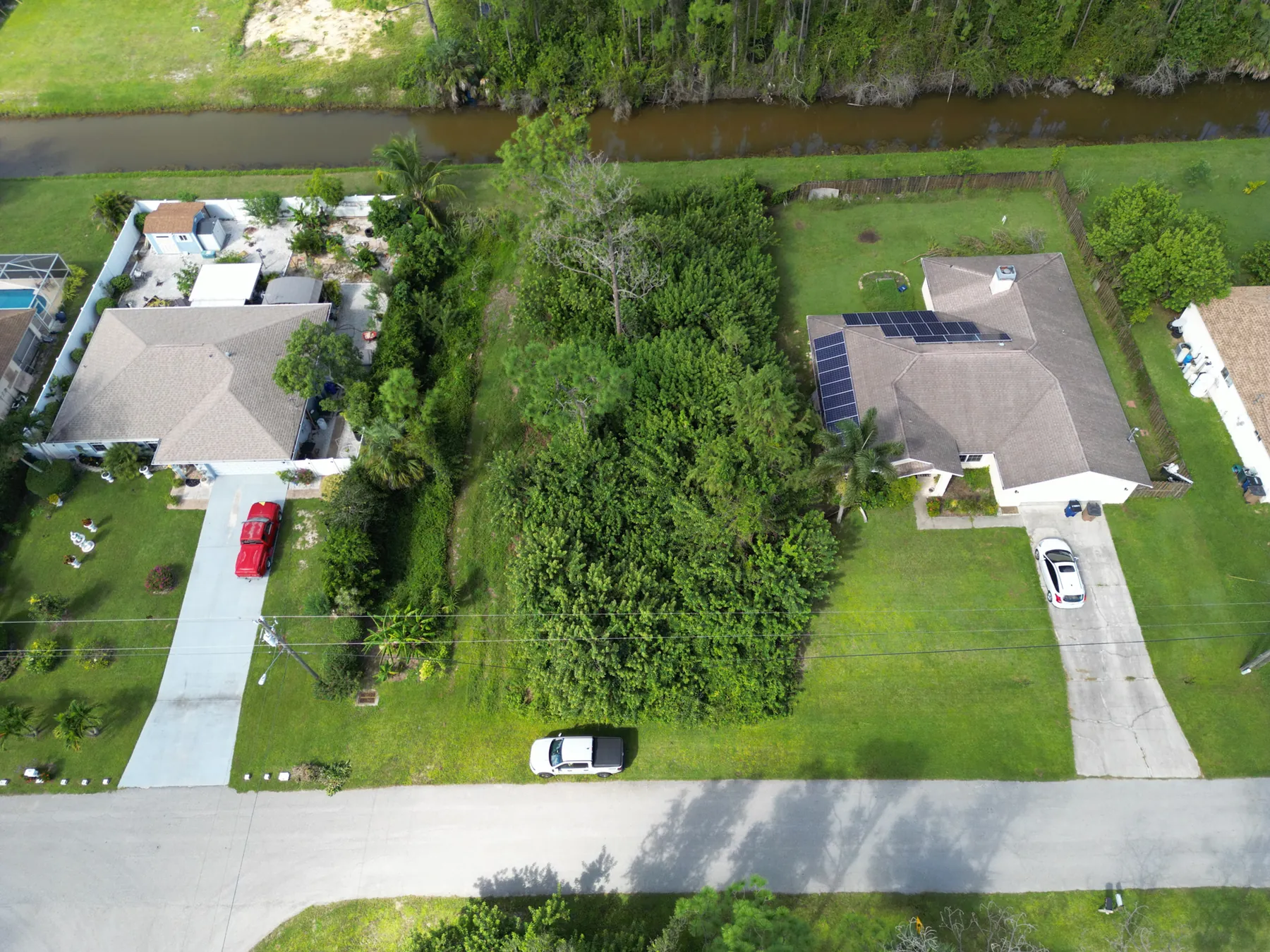
Drone Roof Inspection Cost: What Shapes the Quote
A practical guide to the site, scope and deliverables that determine the cost of a useful aerial roof inspection.
A drone roof inspection cost is not determined by a flight time alone. The useful question is what the property team needs the aerial coverage to accomplish. A simple visual record of a small, accessible roof is a different assignment from a commercial property with several buildings, rooftop equipment, restricted access, thermal capture or a report that must help a contractor locate specific conditions later.
That is why a responsible quote starts with the property and the decision behind the request. A low number without a clear scope can leave out the views, image organization or coordination that make the finished work useful. A well-defined scope gives the client a clearer expectation of the work and gives the pilot a safer, more efficient way to plan it.
Start with the question behind the inspection
Before asking about price, define what the images need to help someone decide. A property manager may want current roof views before maintenance planning. An owner may need a dated record after a weather event. A buyer may need context for a due-diligence conversation. A contractor may need images of a specific roof section, drain, parapet or rooftop unit before scheduling a closer review.
Those requests can all involve a drone, but they do not need the same flight plan. A straightforward baseline may require a few wide overview images and selected detail views. An issue-led assignment may require a reference image, a planned sequence from whole roof to close detail and a delivery organized by roof area. A repeat program may require the same broad viewpoints from one visit to the next so the property team can compare change over time.
The existing drone roof inspection guide explains how aerial imagery can document visible conditions while still leaving diagnosis and repair decisions to the right trade professional. That boundary matters when deciding how much coverage the assignment needs.
Property size and roof complexity affect the scope
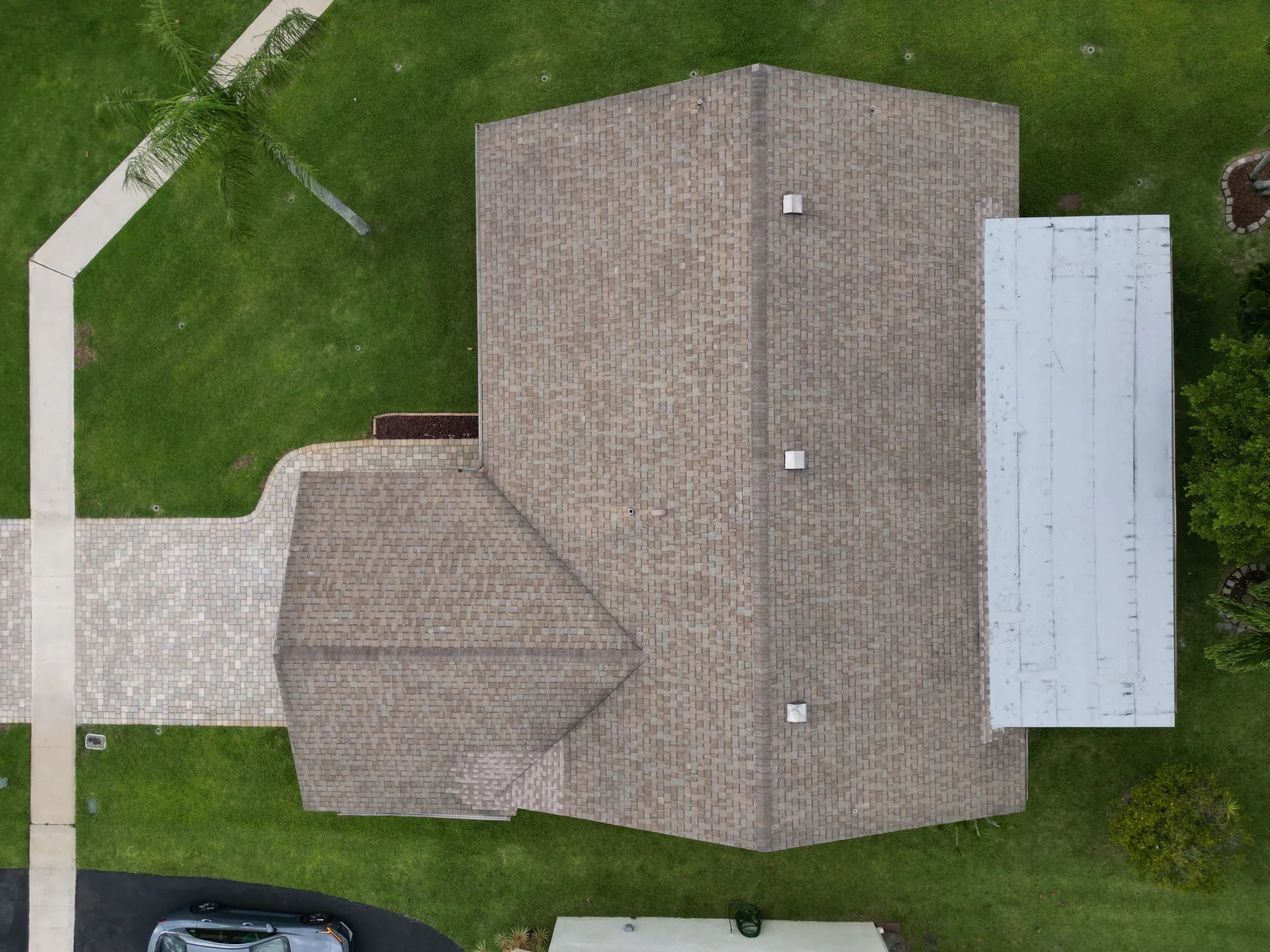
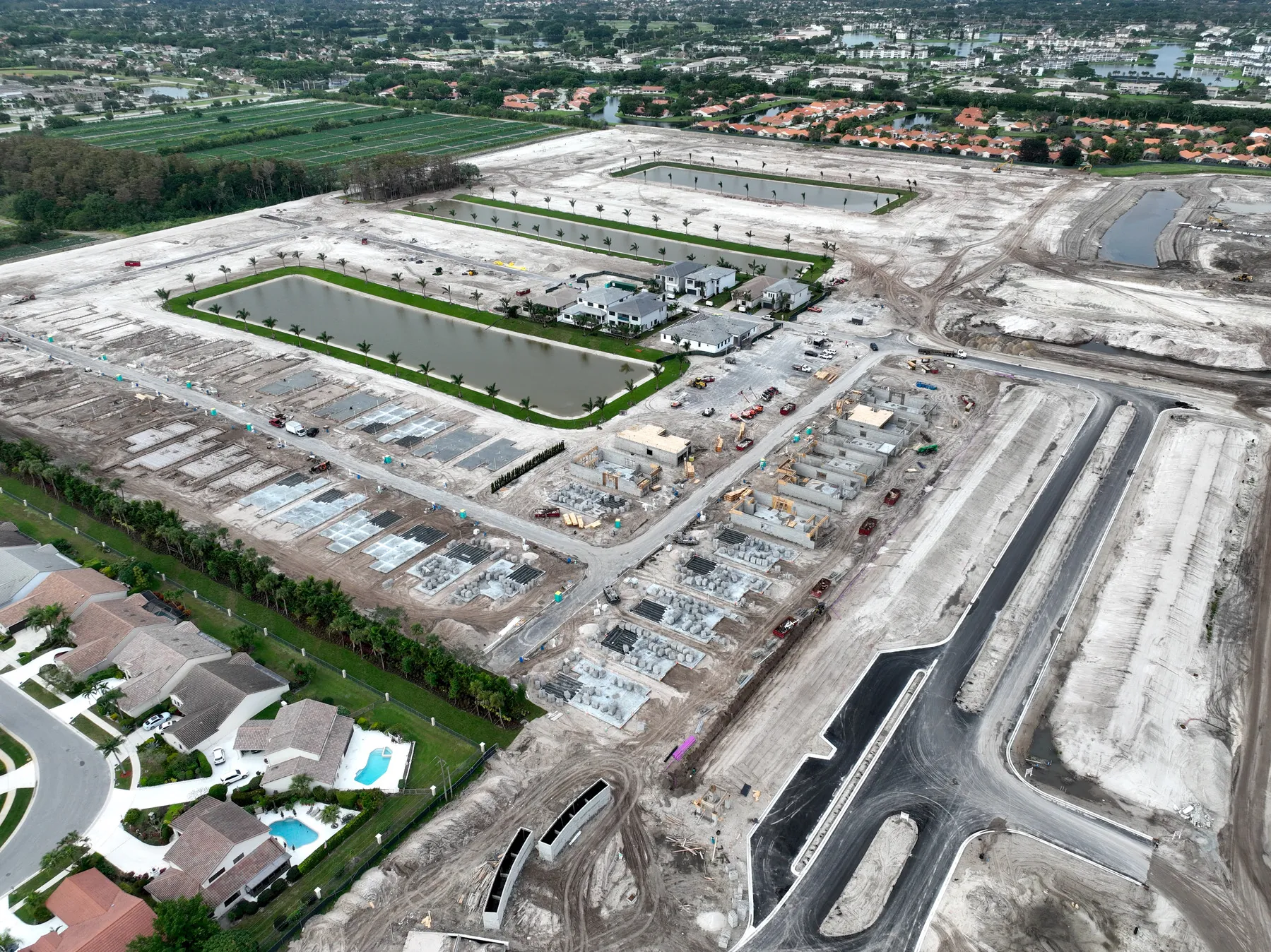
A larger roof generally needs more than one broad pass. The pilot may need to divide the property into sections, capture overlapping context views and collect closer images where the roof changes level or condition. Multiple buildings, roof elevations, parapet walls, skylights, mechanical units, solar arrays and tight access areas all add planning and review time.
Complexity is not just square footage. A modest roof with active contractors, nearby trees, power lines, delivery traffic or limited launch space can take more coordination than a larger, open property. The site contact may also need to arrange roof access, identify restricted views or confirm where the pilot can safely set up without interrupting operations.
Sharing a property address, aerial view, roof plan or recent site photos early helps turn a vague request into a practical scope. It lets the pilot decide whether the assignment calls for a full property overview, selected roof zones, a focused issue review or a combination of those views.
The type of imagery changes what is included
Visible-light aerial photography is often the right starting point. It can show roof layout, drainage paths, equipment placement, debris, accessible edges and other visible conditions in a way that is easier to review than a ground-level view. The quote may include broad roof orientation images, closer oblique views and a planned set of detail images for areas that need attention.
Thermal capture is a separate layer of work because it depends on site conditions, timing and careful interpretation. It can be useful when a property team wants temperature-pattern context for a roof, rooftop equipment or a solar array. It should not be treated as an automatic diagnosis. Weather, sunlight, wind, roof material and equipment operation can affect the result, so thermal work needs the right flight window and a delivery that helps the next reviewer understand the context.
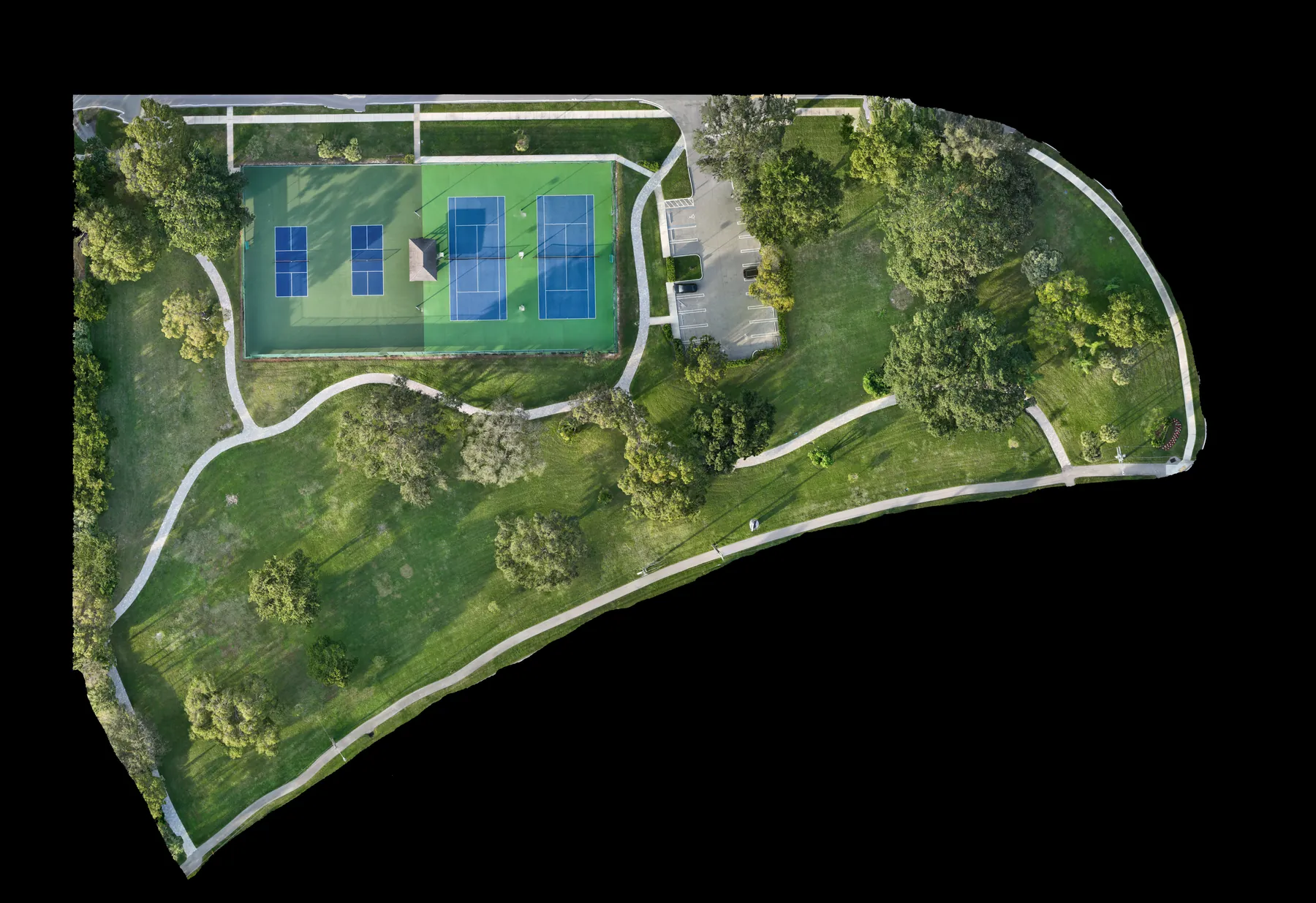
If the goal is a measured overhead reference rather than perspective imagery, construction and mapping coverage may be a better fit. An orthomosaic or consistent overhead image serves a different purpose from inspection photography, and the deliverables should be chosen for the decision at hand instead of added by default.
Access, airspace and timing are part of the work
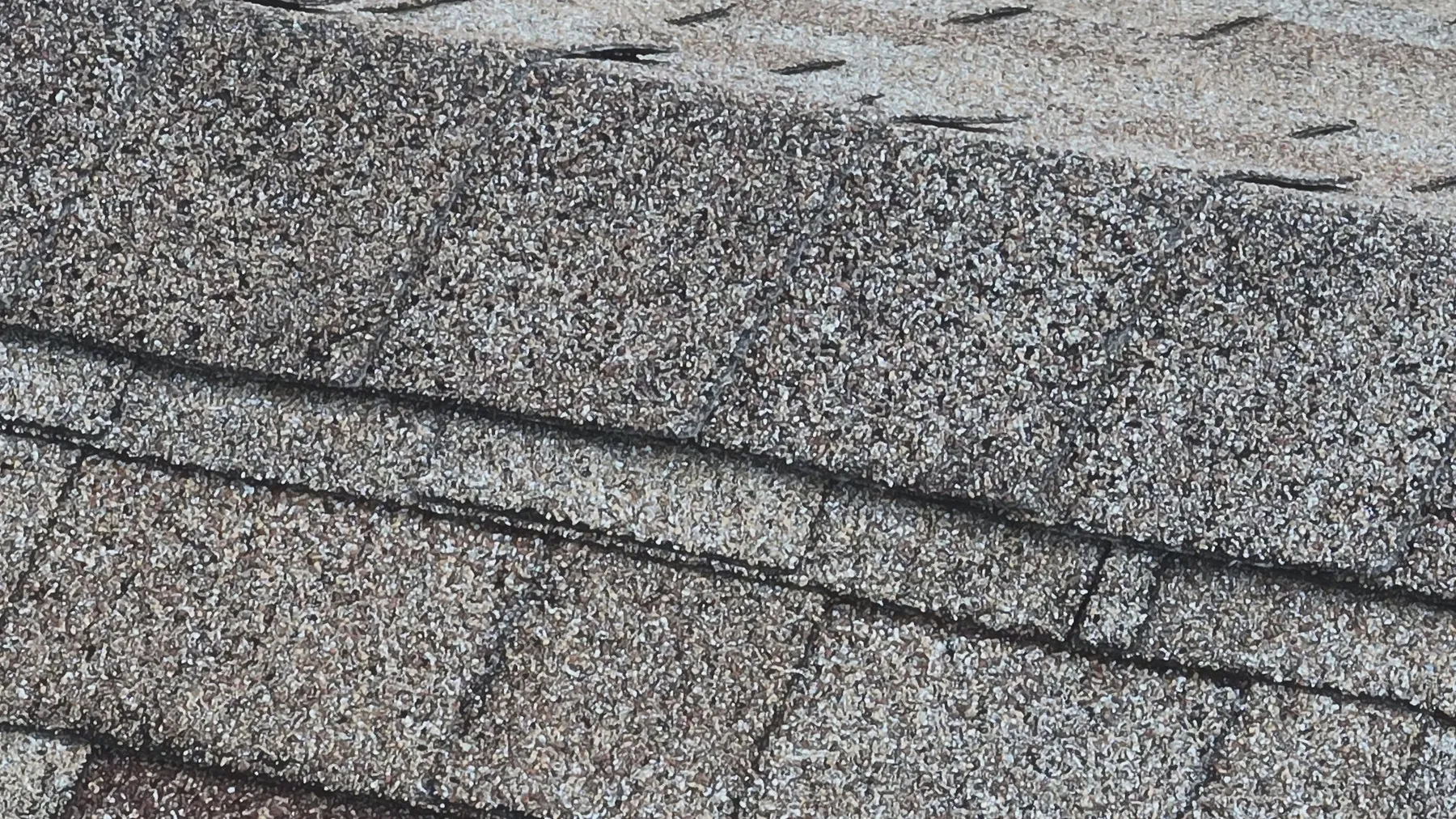
A useful roof inspection begins before takeoff. The pilot needs a safe launch and recovery area, a clear site contact, access instructions, active-work information and an understanding of any sensitive or restricted areas. A flight around a quiet commercial property is different from a visit during deliveries, construction activity or maintenance work on the roof.
Commercial drone operations also have operating requirements that affect planning. The Federal Aviation Administration's commercial drone guidance outlines the framework for business flights, while the visual-line-of-sight rule requires the aircraft to remain visible to the remote pilot or visual observer. Controlled airspace may require coordination through the FAA's LAANC authorization system before the operation.
Weather can change the schedule as well. Wind, rain, wet roof surfaces, moving clouds and poor visibility can affect both safe flight conditions and the quality of the images. A quote for professional work accounts for a realistic plan, including the possibility that the safest or most useful capture window is not the first time on the calendar.
The deliverable is where a flight becomes useful
A collection of aerial files is not always an inspection record. The person who needs to act may not have been on site, and a close image is hard to use if nobody can tell where it belongs. A strong scope defines how the delivery will be organized, whether by roof section, visible condition, building side, date or another clear reference.
For a focused roof review, ask for a sequence that moves from full property context to roof sections and then to detail images. When a condition is visible, the associated overview should make it easier for a roofer, facilities manager or owner to find the same area. This format also makes the next visit more useful because the pilot can repeat the broad context views before documenting new detail.
The drone inspection report guide covers the details that make an aerial delivery easier to hand off. Clear labels, a capture date, plain-language observations and enough location context can be more valuable than an unfiltered folder with hundreds of images.
A clear scope prevents avoidable change orders
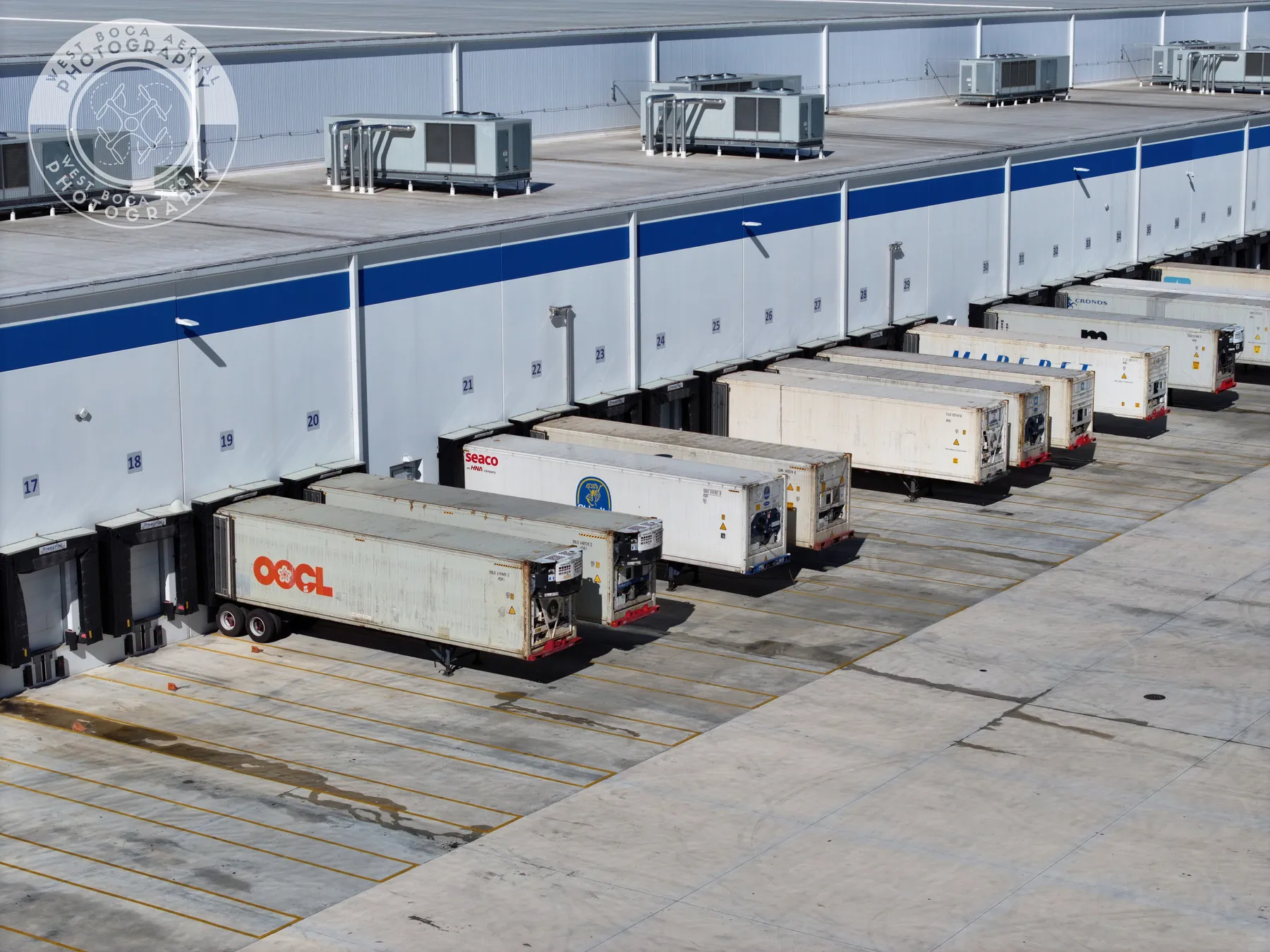
The easiest way to keep an aerial inspection on budget is to settle the priority views before the visit. If the client needs every roof plane, a particular equipment group, thermal pairs, public-facing marketing images or a same-day summary, those items should be named in the scope. They can then be planned around the property instead of being added after the flight when the site, weather or airspace conditions may no longer match.
The same applies to access and timing. Let the pilot know whether a facility contact must be present, whether the roof is occupied, when deliveries peak and how long the site is available. A concise plan protects the value of the visit because the team spends its time collecting the images that matter rather than renegotiating the assignment on location.
What to provide when requesting a quote
A concise project brief usually leads to a better quote. Start with the property address, the type of roof, the reason for the inspection and the decision the images need to support. Add any known area of concern, reference image, roof plan, access instruction, work-hour restriction and site contact. If there are areas that must not be photographed, say so at the beginning.
For a larger property, it also helps to identify whether the client needs one visit or a repeatable baseline. Explain who will use the images after the flight and whether they need visible-light photography, thermal context, broad property views, close roof detail or a more measured overhead deliverable. These details let the quote reflect the work that will actually make the next step easier.
Avoid asking only for a price per flight. The most useful comparison is between scopes: what property and roof areas are covered, what kind of imagery is included, how the files are organized and what limits are clearly stated. That is how a property team avoids paying for a flight that produces attractive images but no usable answer.
How West Boca Aerial Photography plans roof inspection coverage
West Boca Aerial Photography plans each roof inspection around the property, the visible conditions that matter and the people who need to review the finished imagery. Assignments can include high-resolution aerial photography, thermal capture and organized views that give a contractor or facilities team both context and detail.
To request a project-specific scope, share the site address, roof type, access conditions, current concern and any required views. The team's roof inspection field work, thermal inspection service and pilot credentials provide a practical starting point before arranging the flight.
Frequently asked questions
How much does a drone roof inspection cost?
The cost depends on the property, the roof complexity, the requested imagery, access conditions, airspace planning and how the final delivery needs to be organized. A useful quote starts with the decision the images need to support, then defines the coverage and deliverables needed to support that decision.
What should be included in a drone roof inspection quote?
A clear quote should identify the property or roof areas to be covered, the type of imagery, any thermal or mapping work, site-access assumptions, planned deliverables and how the files will be organized. It should also state any limits, such as weather, active-site conditions or the difference between visible observations and a professional repair diagnosis.
Does a larger roof always cost more to inspect by drone?
Not automatically, but larger roofs often need more planning, more section views and more time to create an organized record. Complexity can matter as much as size. Multiple buildings, equipment, restricted access, active work, unusual roof levels and a detailed reporting requirement can all affect the scope.
Can thermal imaging be included in a roof inspection?
Yes. Thermal imaging can add surface-temperature context for a roof or rooftop equipment when the site conditions and timing are appropriate. It should be used to identify locations that may need closer review, not as a stand-alone diagnosis or a substitute for a qualified hands-on assessment.
Related posts
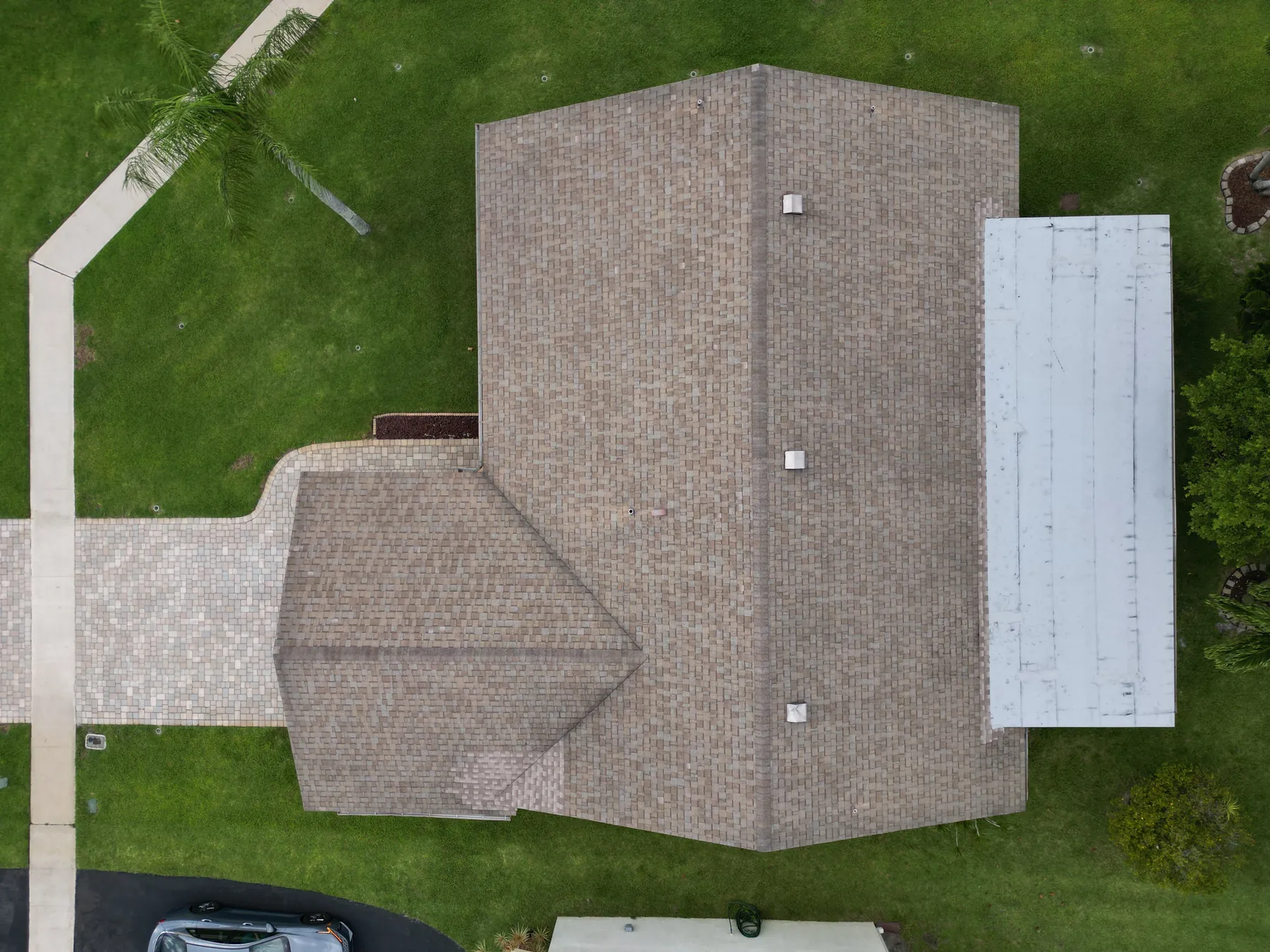
Drone Roof Inspection: What It Can and Cannot Show
A practical guide to planning aerial roof imagery, understanding its limits and getting a useful record for the next decision.
Read the guide →
Drone Inspection Report: What to Ask For
A practical guide to turning aerial imagery into an organized record that helps property and project teams decide what happens next.
Read the guide →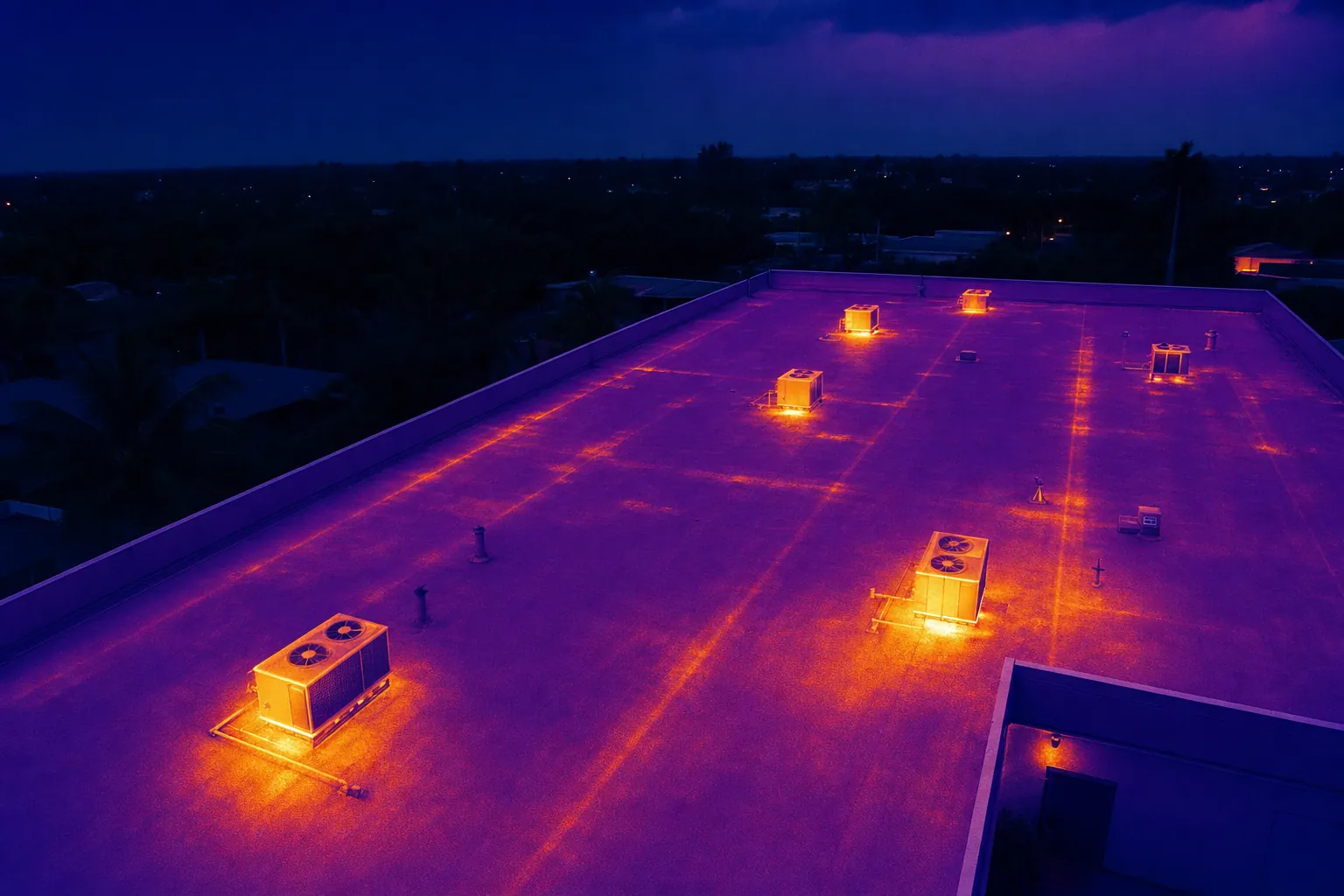
Solar Panel Thermal Inspection: What a Drone Can Show
A practical guide to planning thermal aerial coverage, reading the images responsibly and directing the right follow-up.
Read the guide →