Array Overview
Wide visible-light views establish the layout of the array, roof sections, access points, equipment and surrounding conditions before the closer images begin.
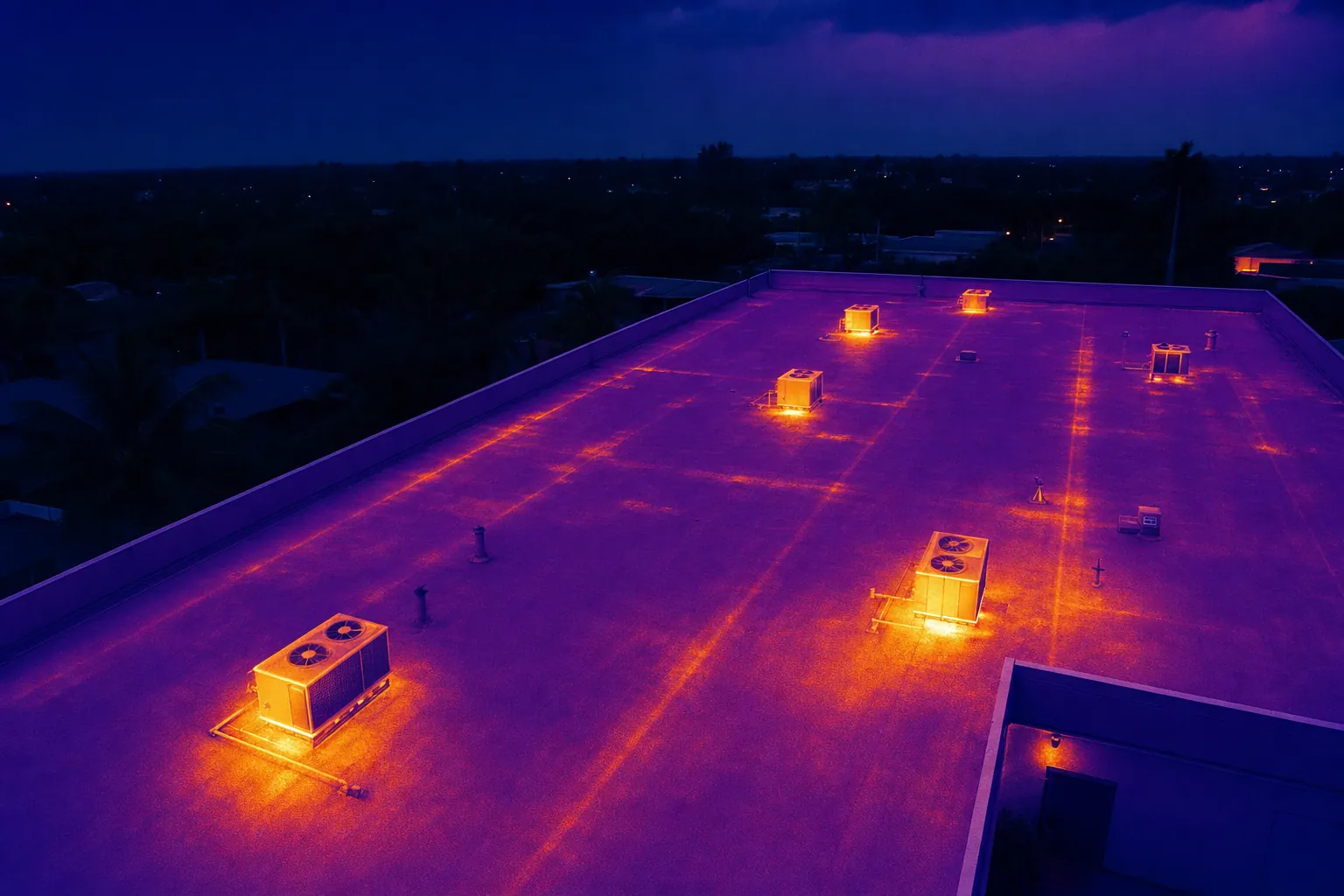
Visible-light and thermal aerial coverage for solar arrays that need a clearer, more organized first review.
A drone solar panel inspection is most useful when it gives a property or maintenance team a well-organized view before a follow-up visit is planned. On a commercial roof or a larger ground-mounted array, it can be difficult to understand the full layout, locate a concern and communicate it to the people who need to review it next. Aerial coverage creates that wider reference while still allowing closer images where they matter.
West Boca Aerial Photography plans the flight around the reason for the inspection. The assignment may be a post-storm visual record, a seasonal review, a current baseline before maintenance work, a way to screen a large roof or a focused look at an area already identified by the system owner. That purpose determines the image sequence, the timing and the final handoff.
Visible-light imagery documents what can be seen on the array and around it: panel layout, roof sections, nearby equipment, obstructions, debris, shade, access paths and the broader property context. Thermal capture adds a different layer by showing relative surface-temperature patterns. Used together, the two views make it easier to identify where a technician may want to look more closely.
The result is not a dramatic collection of heat maps. It is a practical visual record that helps the next reviewer find the right location, understand what was visible at the time of capture and decide on an appropriate follow-up.
Wide visible-light views establish the layout of the array, roof sections, access points, equipment and surrounding conditions before the closer images begin.
Thermal and visible-light image pairs can document areas with a temperature pattern that may deserve a closer review by the maintenance team.
Files are planned around the people who need them, with location context that makes a follow-up visit or maintenance discussion more efficient.
A thoughtful brief keeps a solar inspection focused. The site address, array layout, reason for the review, access instructions, active work, roof restrictions and known areas of concern all help determine the right route. Existing alerts, recent cleaning notes, prior imagery or a roof plan can help the pilot capture a more useful reference for the maintenance team.
For a broad review, the flight can move from a full-property view to roof or array sections, then to closer images where conditions call for more detail. That sequence matters because an isolated image can be difficult to locate later. A clear overview gives each closer image a place within the site.
Commercial roofs and solar fields also need practical coordination. The flight plan considers safe launch and recovery areas, people and vehicles on site, rooftop hazards, weather, privacy boundaries and applicable airspace requirements. When thermal coverage is appropriate, the intended flight window should also reflect the system's operating conditions and the weather needed for a meaningful comparison.
View roof inspection field work →Review pilot credentials →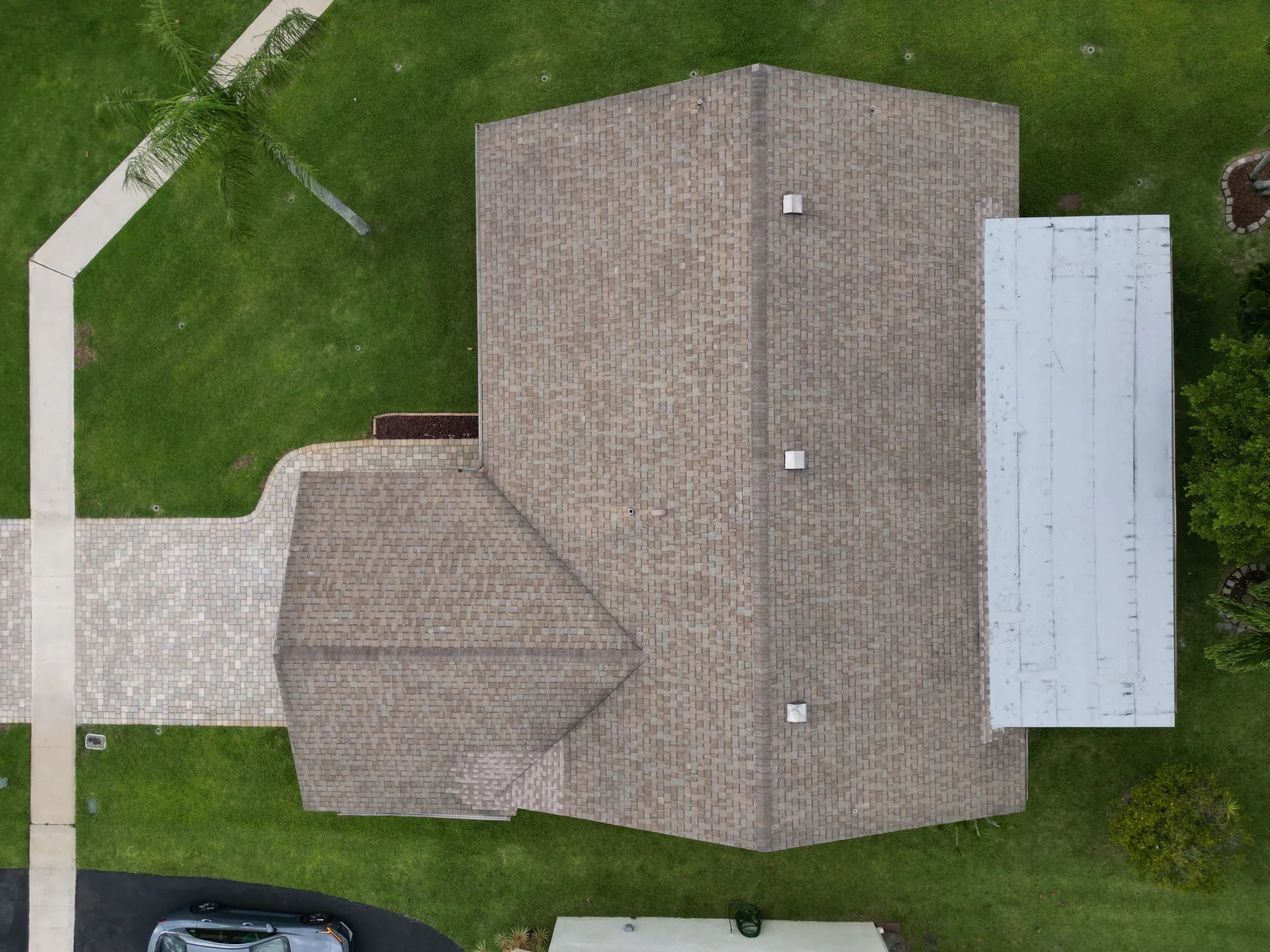
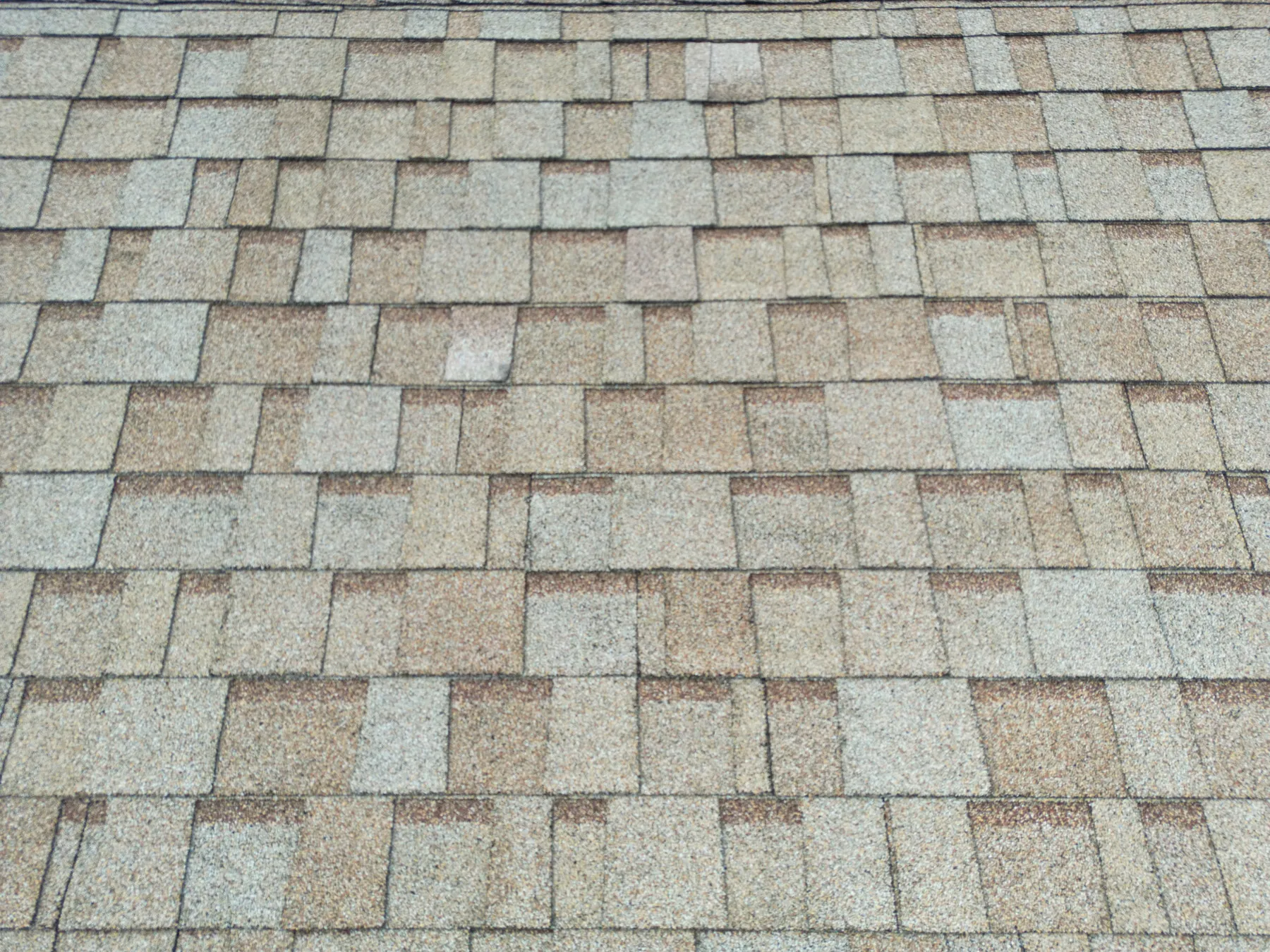
Aerial coverage can record the arrangement of modules, visible dirt or debris, shade patterns, surrounding roof features and areas that appear different from nearby panels. The most useful images use plain descriptions of what is visible instead of drawing a conclusion that the camera cannot prove.
A thermal frame can show a relative temperature difference, while a matching visible-light image provides the physical context around it. This pairing helps a technician locate the area, compare it with nearby panels and decide whether electrical testing, cleaning or a closer inspection is appropriate.
Finished files can be grouped by site, date, roof section or array row, with broad reference views before closer images. That organization makes the material easier to use in a maintenance conversation, insurance record, property review or planned follow-up visit.
Thermal imagery records surface-temperature patterns. A temperature difference can be a useful reason to investigate a specific area, but it is not a final answer on its own. Sun exposure, wind, cloud cover, recent rain, shading, panel angle, roof material and the array's operating state can all affect what the camera records.
That is why the handoff is deliberately careful. It can identify a location and a visible or thermal observation, then help the owner, facilities team or solar contractor decide what should happen next. Electrical testing, production data and a hands-on assessment are the right tools for confirming the cause of a condition and choosing a repair.
For clients who need a broader record around the solar array, aerial inspection can be paired with construction and mapping coverage. For a focused explanation of the thermal process and its limits, the Journal also covers solar panel thermal inspection.
A drone can document array layout, visible debris, shading, roof context and relative temperature patterns that may deserve follow-up. It gives a maintenance team a clearer starting point, but does not diagnose an electrical fault or replace a qualified technician.
Thermal imaging can be useful when the system is operating under suitable conditions and the team has a specific question to investigate. Sunlight, wind, recent rain, shade and operating conditions all affect the image, so timing should be planned with the system owner or maintenance team.
No. Aerial imagery can help screen visible conditions and direct attention to a location, while electrical testing and on-site assessment determine the cause and appropriate repair.
Share the property address, array or roof plan, reason for the inspection, site contact, access instructions, active work, known concerns and any recent weather or maintenance information. Existing production notes or reference images are also helpful.
Start with a clearer solar site view.
Request an inspection plan →