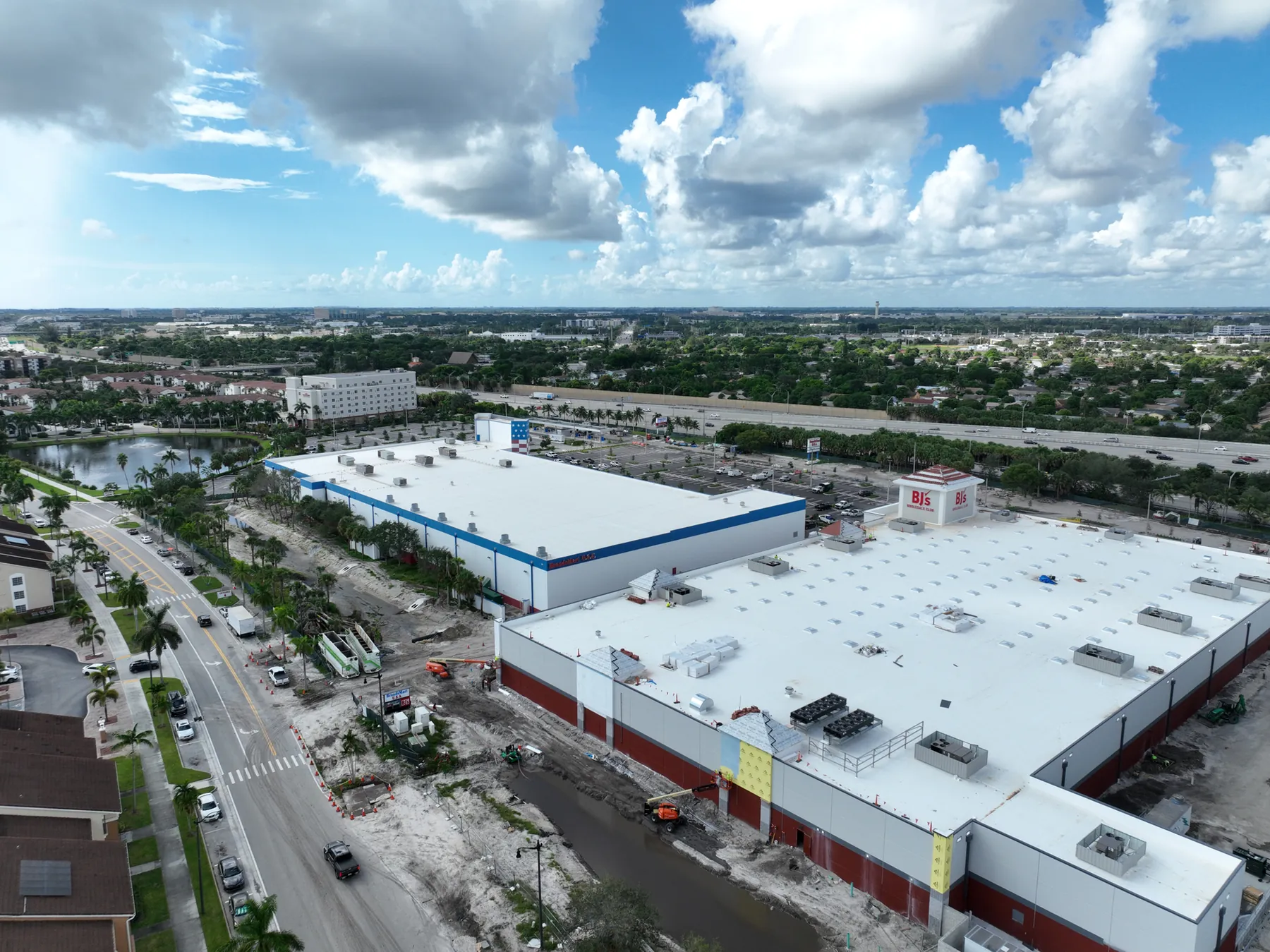
Construction Progress Photography: What to Capture and When
A practical capture plan for owners, contractors and project teams who need a clear visual record of a job as it moves.
Construction progress photography is most useful when it is treated as a record, not an afterthought. A few striking images at the end of a project cannot answer the questions that come up while work is moving: What was in place before a wall was closed? Has the site changed since the last lender update? What did the access route, staging area or roof condition look like on a particular date?
A disciplined photo plan gives owners, contractors, architects and off-site stakeholders the same visual reference. The goal is not to photograph every square foot on every visit. It is to create a repeatable set of views that makes changes easy to spot and important decisions easier to explain.
Start with the decisions the photos need to support
The best photo plan starts before anyone picks up a camera. Ask what the record must help the team do. A lender may need to see a milestone before a draw. An owner may need a concise update for a board meeting. A superintendent may want a dated view of underground work before backfill. A marketing team may need a small set of clean images that show the scale of a project without exposing sensitive details.
Those are different jobs, so they need different shots. Write down the decisions, the people who will use the photos and the expected deliverables. That brief keeps the capture focused. It also gives every visit a purpose beyond collecting a folder full of images.
For a project that needs a larger site view, a dedicated construction mapping plan can add an orthomosaic or repeatable aerial overview alongside traditional progress photography.
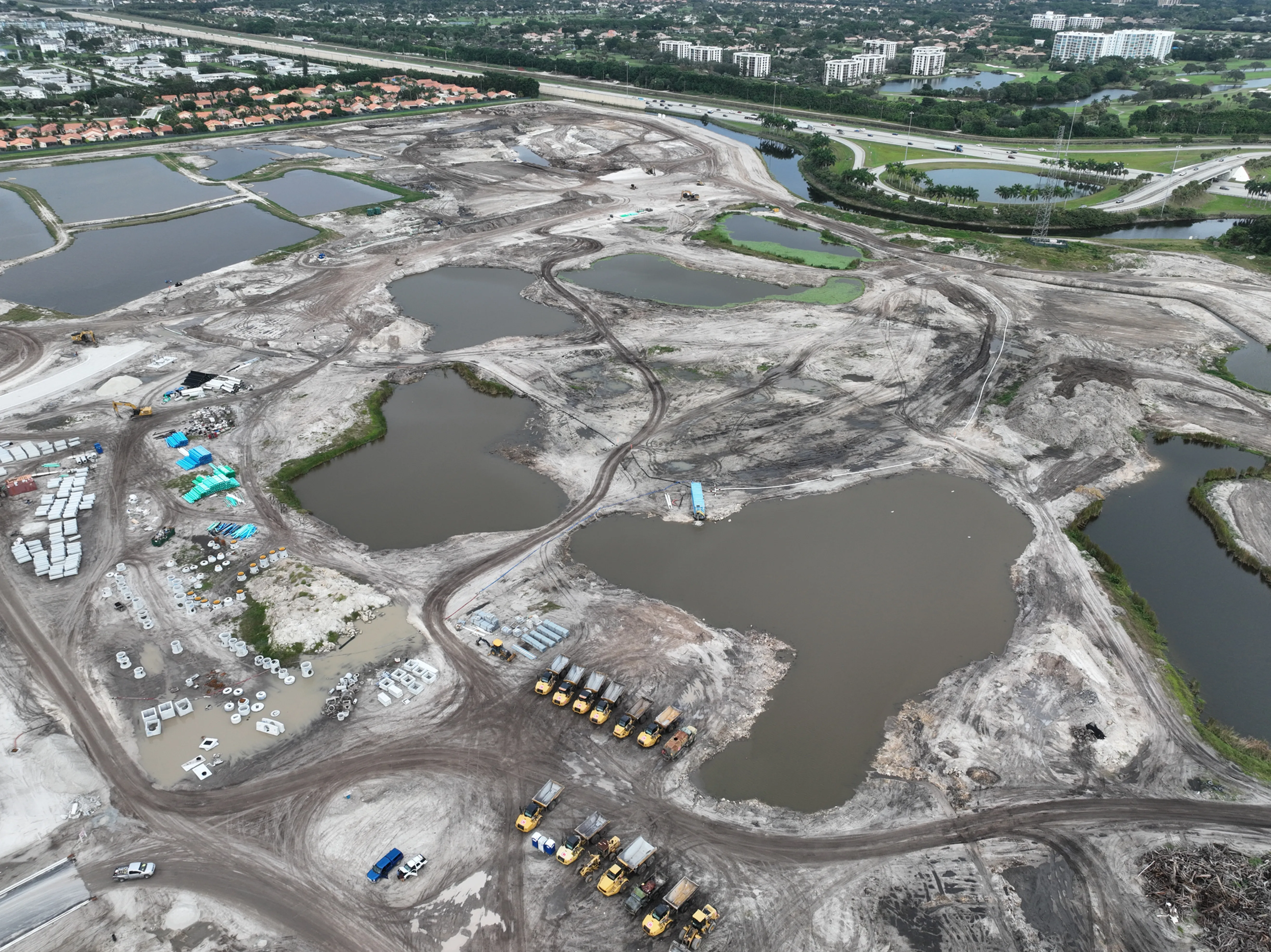
Build a repeatable shot list before the first visit
Consistency is what turns separate photo visits into a useful timeline. Establish the same broad vantage points at the start: the primary street approach, each property corner where it is safe and permitted, the site entry, staging and laydown areas, major elevations, the roof or upper structure when relevant, and a high overview that shows the relationship between buildings, parking, access and adjacent properties.
Then add project-specific views. On a retail buildout, that might mean storefront openings, loading access and utility work. On a multifamily project, it might mean unit stacks, amenity areas, parking circulation and exterior envelope progress. On a civil site, it may be drainage, grading, utilities, retaining features and connections to the surrounding road network.
A useful shot list names the view, states why it matters and notes the direction or reference point. It does not need to be complicated. The important part is that a person returning in six weeks can recreate the same view without guessing. When practical, save a reference image from the first visit. It gives the next photographer a visual target for height, angle and framing, which makes side-by-side comparisons much more useful.
Keep a separate exceptions list for views that cannot be repeated. A temporary crane position, a closed street, a wetland buffer or an active lift may change what is safe to capture. Recording that limitation is better than silently replacing a planned view with a different one and making the timeline look inconsistent.
Capture the right moments, not only a calendar date
Monthly photography is a sensible rhythm for many long projects, but the schedule should follow the work. Add visits around moments that disappear or become difficult to verify later: existing conditions, demolition, grading, excavation, underground utilities, slab and structural milestones, building enclosure, major equipment installation, paving, landscaping and final completion.
The right frequency depends on pace, complexity and who needs the record. Fast-moving work may warrant weekly or biweekly visits. A slower project may only need a visit at major phase changes. A one-time assignment can still be valuable when it is planned around a specific condition, such as a roof inspection, a pre-purchase review or a turnover record.
When safety or compliance questions are involved, photos are supporting documentation, not a substitute for supervision, inspection or professional judgment. OSHA guidance on documentation recognizes that photographs and video can be suitable evidence, which is one reason clear notes and consistent context matter alongside the image itself.
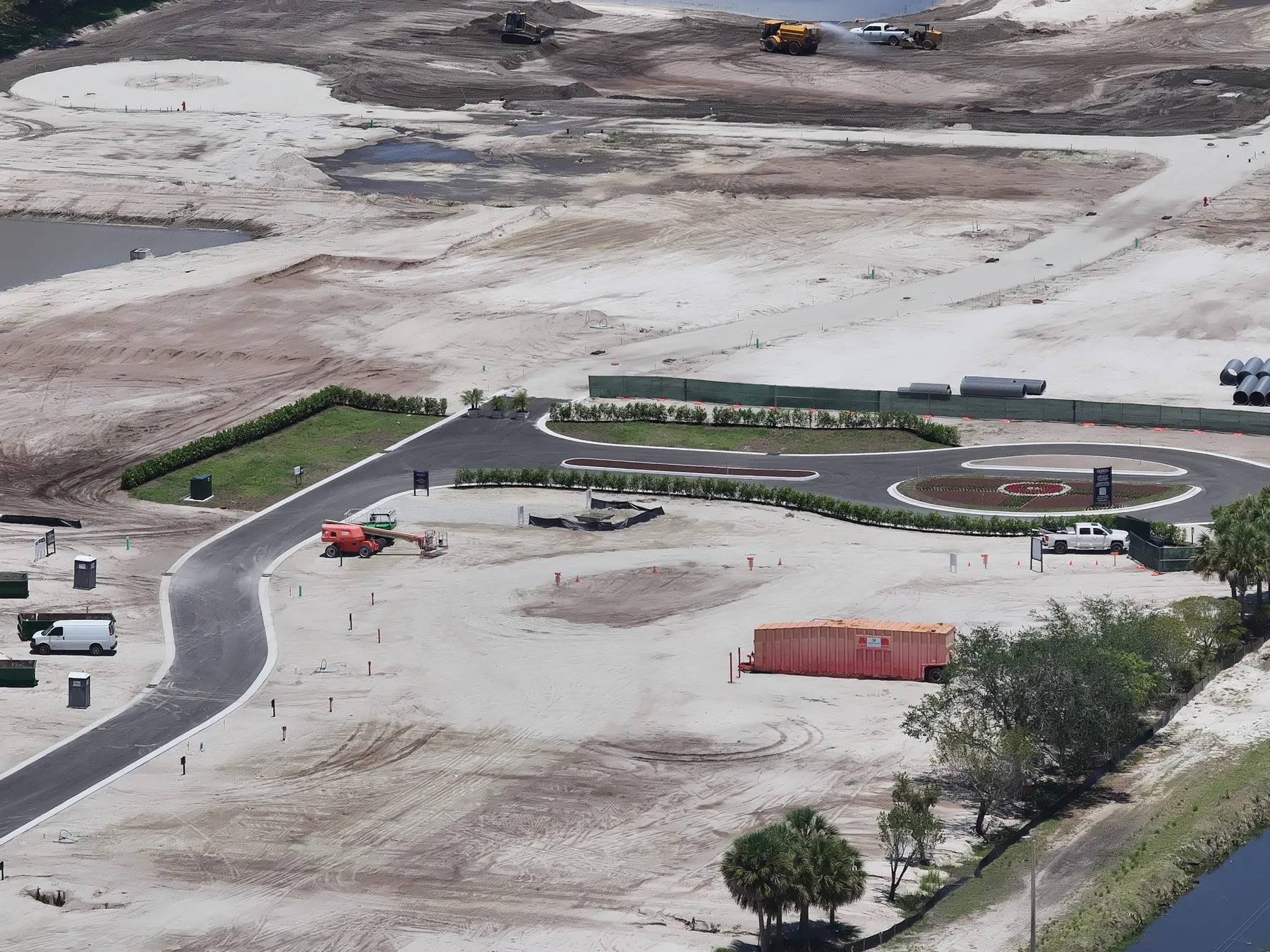
Use wide, medium and detail views together
A progress record is strongest when every important condition has context. Begin with a wide frame that shows location and surroundings. Follow it with medium views that show the work area, trade sequence or relationship between elements. Finish with detail views that make the relevant condition visible.
This sequence prevents a common problem: a close-up that looks useful but cannot be placed anywhere on the job. It also avoids the opposite problem, where a high aerial image shows scale but cannot reveal the work the team is discussing. Wide, medium and detail views should tell one coherent story.
Aerial work is especially helpful for showing site circulation, roof surfaces, exterior progress and the relationship between structures. It should complement, rather than replace, ground-level documentation where details, interiors or close conditions need to be visible. For commercial sites that need both context and presentation-ready images, the commercial imagery service can combine aerial and ground coverage around the assignment.
Make every image easy to find and trust later
A strong image record fails if the team cannot locate the right photo when it matters. Organize every delivery by project, visit date and area or milestone. Keep original files where possible, and use descriptive file names or an accompanying index that identifies the view. A short caption can note the location, direction, visible condition and any detail the viewer might otherwise miss.
Avoid making claims in captions that the photo cannot prove. A photograph can show a trench, a roof surface or installed equipment. It cannot by itself verify measurements, code compliance, ownership, hidden conditions or whether a task was completed correctly. Clear captions describe what is visible and point the reader to the right project record for the rest.
Teams should also agree on who receives the files, where the final set lives and how quickly it is needed after capture. That makes the imagery useful in the workday instead of leaving it stranded in a personal gallery.
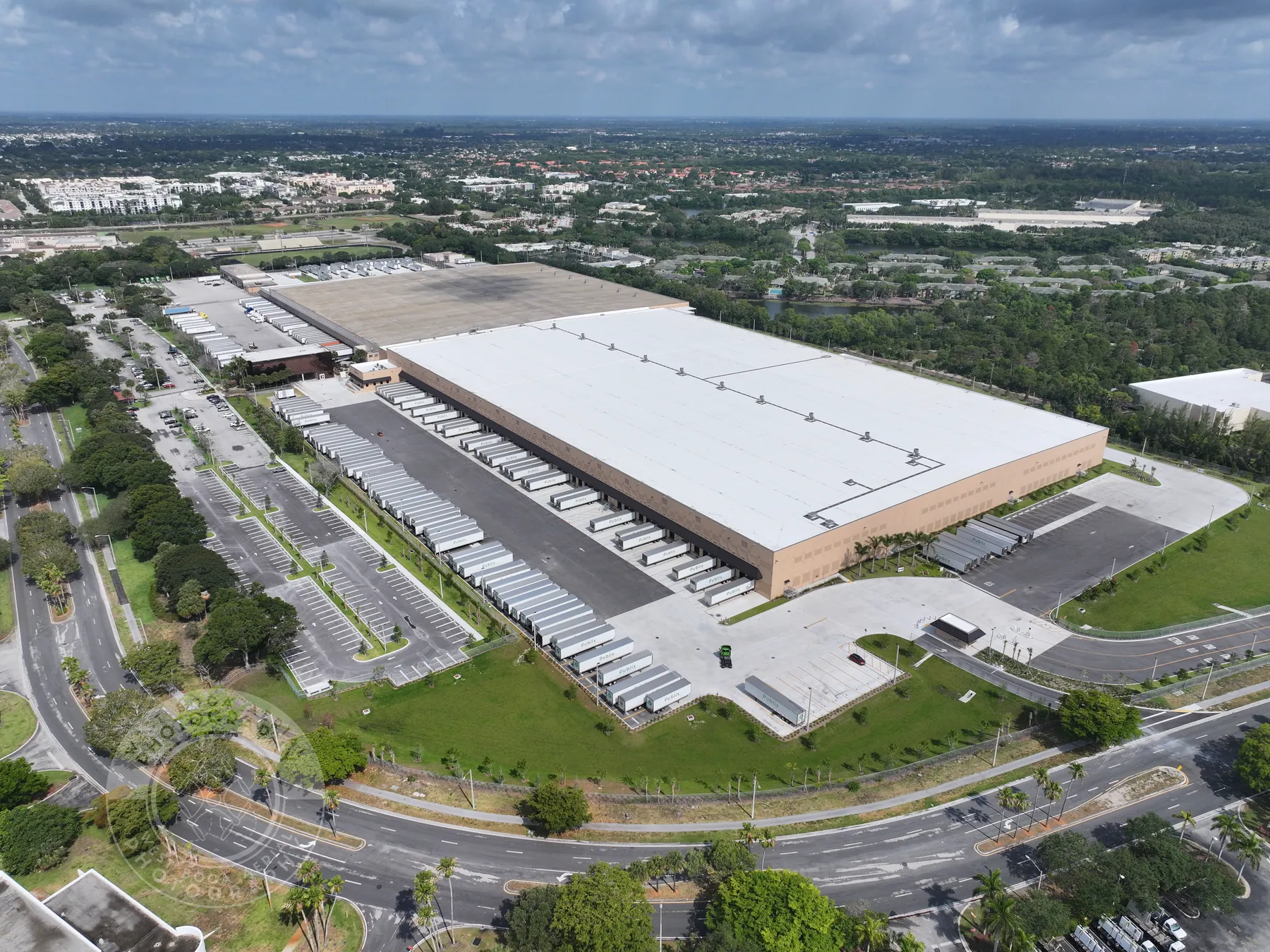
Plan aerial capture around the site and the airspace
Drone photography adds a valuable overview, but it needs planning. The remote pilot must consider airspace, site activity, people, cranes, temporary hazards, weather, takeoff and landing areas, and the views that can be captured without disrupting the work. Commercial drone operations also have operating rules. For example, the federal visual-line-of-sight rule requires the aircraft to remain visible to the remote pilot or visual observer throughout the flight.
The project team can make the visit smoother by sharing site contacts, work hours, active hazards, access instructions and any areas that should not be photographed. A short preflight conversation usually prevents more delay than it creates. It also gives the pilot a chance to recommend the best time of day. Early or late light can make a building elevation easier to read, while midday may be more useful when the goal is to reduce long shadows across a large site.
Turn the record into a useful project update
The final delivery should match the audience. A project manager may need a full, dated library. An owner may need a concise selection organized by milestone. A lender may need a clear before-and-after sequence. A marketing team may need a separate set of images that is approved for public use.
Create a short project update from the same record: one overall image, a few milestone views and simple notes about what changed since the previous visit. That format is easier to circulate than a large unfiltered folder, and it helps stakeholders understand the work without needing to visit the site. If a previous image is available, place it next to the current view with the dates clearly labeled. That small comparison often answers more quickly than a paragraph of explanation.
Over time, the collection becomes more than documentation. It can support closeout conversations, portfolios, proposals and future planning, provided the project owner has approved how images may be used.
Protect access, privacy and the project record
A thoughtful capture plan includes boundaries. Construction sites can contain personal information, security measures, neighboring homes, proprietary equipment and work that is not ready for public release. The project team should identify restricted areas, sensitive views and any material that needs approval before it is shared outside the core group.
That does not mean the photography needs to become vague. It means the plan should separate the internal project record from public-facing material. The internal library can be comprehensive and dated. The public selection can focus on the approved story of the project, such as site scale, completed work, architecture or a milestone that the owner wants to communicate.
Access matters too. Confirm who will meet the photographer, what personal protective equipment is required, whether there are active deliveries or lifts, and how the team will communicate if site conditions change. Those details help the visit stay efficient and keep the photographer from making assumptions about where it is safe to work.
Finally, agree on retention. Some teams need a short-term update folder, while others need a record that can be found years later. Decide who owns the archive, whether original files must be retained and how a future team member can request the set. A clear handoff, organized files and approval rules make the investment in photography useful long after the day of capture, when the project timeline and participants may have changed completely and the original field conditions are no longer visible.
How West Boca Aerial Photography supports construction teams
West Boca Aerial Photography plans each assignment around the site, the audience and the deliverables that matter. Construction teams can request repeatable aerial views, high-resolution photography, progress documentation and orthomosaic capture for a clearer view of changing conditions.
The portfolio includes real work across commercial property, public spaces and development sites, including a commercial construction project and a Boca Raton housing development. That experience makes it easier to plan an assignment around the views that will matter after the site has changed.
For a project-specific capture plan, contact the team with the site, timeline, access requirements and required output. The more clearly the decision and audience are defined at the start, the more useful the finished record will be.
Frequently asked questions
How often should construction progress photos be taken?
The right schedule follows the pace and complexity of the work. Monthly visits are useful for many long projects, while fast-moving work may need weekly, biweekly or milestone-based photography. Start with the decisions the images need to support, then schedule visits around phases that will soon be covered or changed.
What should be included in construction progress photography?
Include repeatable overview views, key elevations, access and staging areas, major milestones and the specific conditions the team needs to reference later. Pair wide, medium and detail views so each important image has both location context and usable visual detail.
Are drone photos enough for construction documentation?
No. Drone photos are excellent for site context, exterior progress, roof surfaces and large-scale relationships. They work best alongside ground photography when a record needs close detail, interior conditions or views below structures and overhangs.
Can construction photos be used for marketing as well as documentation?
Yes, when the project owner has approved public use. A planned photo set can serve project updates and later provide strong material for a portfolio, proposal or case study. It is best to separate private documentation from the smaller group of images cleared for public-facing use.
Related posts
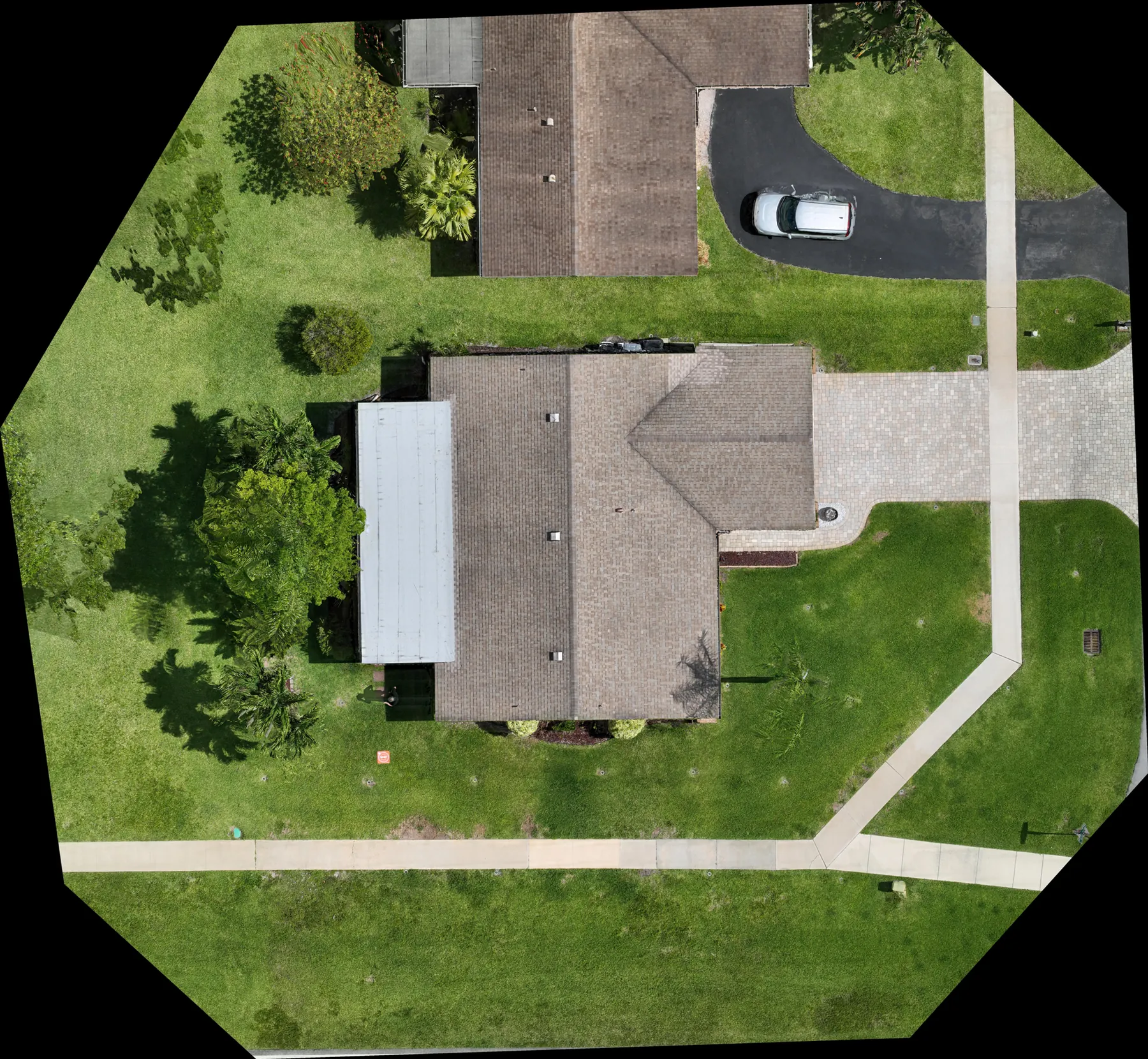
Construction Aerial Drone Photography: A Planning Guide
How to plan aerial construction photography that gives project teams useful site context, repeatable records and clear updates.
Read the guide →
Drone Solar Panel Inspection: A Planning Guide
What a drone inspection can show, how thermal imaging fits in and what to define before a solar site is flown.
Read the guide →
Expertise of Expert Aerial Photographers
A closer look at the planning, skill and perspective behind effective aerial photography.
Read the guide →